
 Eliza Stuart, B.S., B.A Many of us turn to coffee, tea, and energy drinks to perk us up, yet these caffeinated beverages fail to address a common underlying cause of low energy: iron deficiency. Caffeine might even worsen the issue by reducing the body’s ability to absorb iron, so for those of us with low iron levels, focusing on increasing iron consumption might be a more effective way to feel energized throughout the day than drinking another cup of coffee. 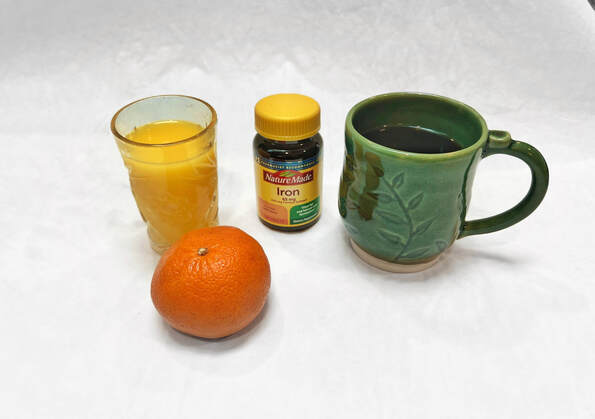 Nearly 1 in 3 adults in the US are iron deficient, and iron deficiency is more common among women than men, with the highest prevalence among women under 50. The widespread consumption of caffeine in the US may be ineffective, and even counterproductive, for improving energy levels in nearly a third of the population because caffeine is associated with reducing the body’s ability to absorb iron.
These numbers reflect real experiences. For example, when my grandmother was iron deficient, she described feeling like a “limp noodle,” and didn’t have much energy, regardless of how much coffee she drank. Beyond lethargy, low iron levels are associated with decreased physical capacity, impaired neurocognitive function, and heart failure, so maintaining an adequate iron level is important for many long-term health outcomes. Taking iron supplements and eating iron-rich foods like meat, seafood, greens, beans, and breads and cereals with fortified grains can help increase iron levels. Cooking in a cast iron skillet can also help increase the iron in your food! To optimize your body’s ability to absorb the iron you consume, it is beneficial to be thoughtful about what vitamins and compounds you are having (or not having) alongside an iron-rich meal or iron supplement. Vitamin C is known to improve iron absorption, so healthcare professionals commonly advise people taking iron supplements to drink a glass of orange juice when they take their iron pill. Conversely, a recent study found that caffeine, especially in conjunction with the polyphenols in coffee and tea, is associated with reducing the bioavailability of iron by increasing inflammation. Timing matters: the beneficial effects of Vitamin C and the negative effects of caffeine on iron absorption are most profound when these are consumed around the same time as iron. In short, pairing iron-rich meals or supplements with Vitamin C and steering clear of caffeine for a few hours before and after can make a big difference. These small changes can help you get the most out of your iron and keep your energy levels strong.
0 Comments
Your comment will be posted after it is approved.
Leave a Reply. |


 RSS Feed


©2017 WeighingInBlog. All rights reserved. 401 Park Drive, Boston, MA