
The nation’s updated five‑year 2025-2030 Dietary Guidelines for Americans introduce several notable updates, including a redesigned food pyramid and a renewed emphasis on whole foods and protein. The changes have sparked debate among researchers, clinicians, and public health professionals. Beyond the headlines, the more important question is how recent evidence informed these recommendations, and what they may mean for chronic disease prevention and federal nutrition programs moving forward. 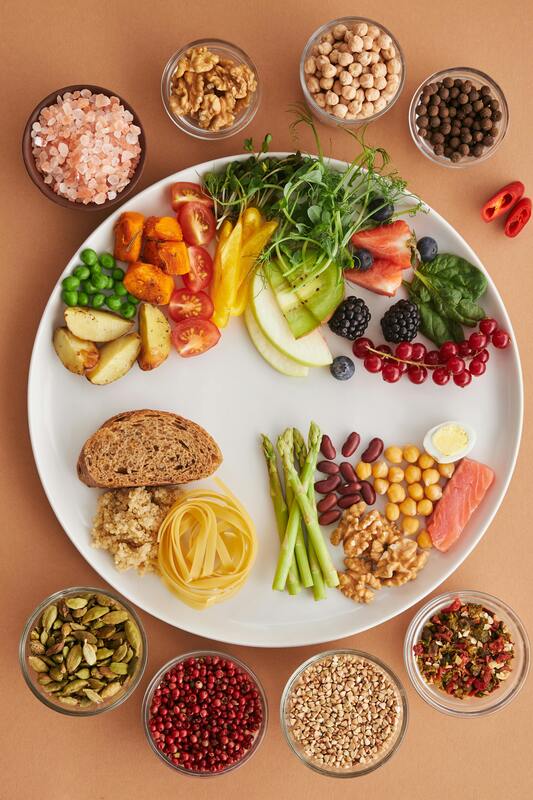 Unprocess Your Plate One of the most significant shifts is the clearer emphasis on limiting highly processed foods. For the first time, the guidelines explicitly discourage packaged, ready-to-eat products high in added sugars and refined ingredients. This change reflects a growing body of research linking diets high in ultra-processed foods to obesity, type 2 diabetes, cardiovascular disease, and overall mortality. A recent meta-analysis reported consistent associations between higher ultra-processed food consumption and increased risk of cardiovascular disease and other adverse cardiometabolic outcomes. While earlier editions focused primarily on individual nutrients such as added sugars or sodium, the current guidance more directly acknowledges the role of food processing and overall dietary patterns in shaping health outcomes. This evolution reflects decades of research supporting dietary patterns centered on whole and minimally processed foods, such as vegetables, fruits, whole grains, legumes, nuts, and healthy fats that protect against chronic disease. The guidelines also continue to reinforce limits on added sugars and encourage greater intake of fiber-rich whole foods. The updated guidance emphasizes nutrient-dense foods and overall dietary quality, rather than focusing narrowly on calorie counts. These recommendations remain consistent with long-standing evidence from the Mediterranean diet and the DASH diet, both linked to improved cardiometabolic health and reduced risk of chronic disease. The Protein Pivot Another prominent feature of the new pyramid is its prioritization of protein. The guidelines highlight protein consumption across the lifespan, with attention to muscle maintenance and metabolic health. National data from What We Eat in America (NHANES) indicate that most U.S. adults already consume an adequate or high amount of protein, though adequacy varies by age and sex. This context has prompted experts to debate how broadly to interpret higher protein targets, and whether that messaging could distract from other important components of a balanced diet. Because guidelines still advise limiting saturated fat to less than 10% of daily calories, careful communication is essential to ensure that increased attention on protein does not create confusion around high-saturated fat sources, such as certain red or processed meats. Messaging should also highlight protein-rich options like legumes, seafood, nuts, and low-fat dairy. Nuanced Nutrition and Forming the Foundation for Federal Programs These nuances do not diminish the broader strengths of the guidelines. Rather, they illustrate the complexity of translating evolving nutrition science into clear, population-level recommendations. Faculty experts at Harvard T.H. Chan School of Public Health have noted that while the guidelines maintain important advances, particularly in discouraging ultra-processed foods, certain aspects, including the prioritization of animal protein sources over plant-forward options, have generated discussion about alignment with elements of their Advisory Committee’s scientific report. Importantly, the public health implications of the Dietary Guidelines extend beyond individual dietary choices. The guidelines serve as the foundation for federal nutrition programs, including SNAP, WIC, the National School Lunch Program, and the Child and Adult Care Food Program. The updated guidelines can influence food procurement standards, nutrition education, and meal planning across programs serving millions of Americans. Even modest, widespread improvements in diet can help reduce obesity, cardiovascular disease, diabetes, and other chronic conditions. Ultimately, the impact of the 2025-2030 Dietary Guidelines depends less on the design of a pyramid, and more on how well the recommendations are translated into practice. Aligning federal policy, food environments, and clinical guidance with the strongest available evidence offers an opportunity to strengthen prevention efforts nationwide. Thoughtful implementation and clear communication will determine whether these updates translate into measurable improvements in population health. Author
Nelly Miranda Mongalo, MPH, is a public health professional with a concentration in Health Services Management & Policy. She earned her Master of Public Health from Tufts University School of Medicine, where her work focused on nutrition policy analysis and early childhood health initiatives. Her interests include maternal and child health and chronic disease prevention. As a foreign-trained dentist who transitioned into U.S. public health, she brings a clinical perspective and a population-level approach to health policy. Nelly is passionate about advancing policies and programs that support healthier families and communities. Outside of her professional work, she enjoys traveling and spending time on family adventures with her husband and two daughters.
0 Comments
Your comment will be posted after it is approved.
Leave a Reply. |



 RSS Feed


©2017 WeighingInBlog. All rights reserved. 401 Park Drive, Boston, MA