 Hilary Dolstad, MD Eating well is important at any stage of life, but during pregnancy, nutrition becomes key to supporting a developing baby. Plant-based (also known as vegan) diets have increased in popularity in recent years due to their associated health benefits, as well as environmental and ethical concerns. In fact, from 2019 to 2020, U.S. retail sales of plant-based foods rose by 27%, reflecting the growing popularity of plant-based diets. This raises a question for some expectant parents: what do we know about the impact of a plant-based diet during pregnancy? 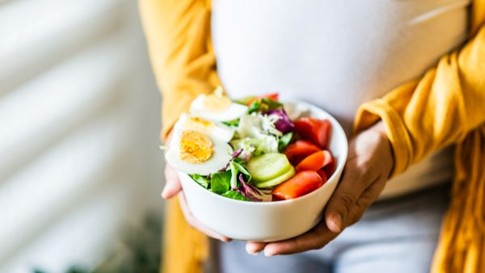 A 2024 systematic review examined the research on vegan diets and birth outcomes, identifying just six relevant studies. Since this is still an emerging area of research with limited evidence, there were no definitive conclusions—but here’s some of what researchers have found so far:
Given the rise in popularity of plant-based diets, hopefully there will soon be more data in this area. For now, the best guidance remains the same, regardless of underlying dietary patterns: recommendations include consuming sufficient folic acid, as part of a balanced diet rich in vegetables, fruits, healthy grains and proteins. Author
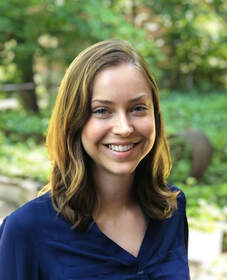
Hilary Dolstad is a fellow in General Internal Medicine and Primary Care. She received her medical degree from Harvard Medical School and completed combined residency training in internal medicine and pediatrics at Brigham and Women’s Hospital and Boston Children’s Hospital. Prior to her medical training, she worked in public health on the local and national level. As part of the Harvard Fellowship in General Internal Medicine and Primary Care, her research focuses on maternal and child health, including environmental factors and policies that influence health in the perinatal period and throughout the life course. She is currently an MPH candidate at Harvard T.H. Chan School of Public Health. Clinically, she is interested in primary care for adults and children.
0 Comments
Your comment will be posted after it is approved.
Leave a Reply. |


 RSS Feed

©2017 WeighingInBlog. All rights reserved. 401 Park Drive, Boston, MA