
 Ross Hatton, PhD, MPA More than half of the foods purchased by U.S. households contain food additives. These substances include sweeteners, preservatives, dyes, and flavors that are added to foods to improve their shelf life, flavor, visual appeal, and food safety. Some are innocuous or even beneficial for health. For example, lactic acid is a preservative found in many fermented foods (e.g., yogurt, cheese, and pickled vegetables) that studies suggest may improve gut health. However, many additives, such as brominated vegetable oil—an emulsifier used in soft drinks—have been linked to negative health outcomes such as cancer, hyperactivity, and inflammation, particularly among children. 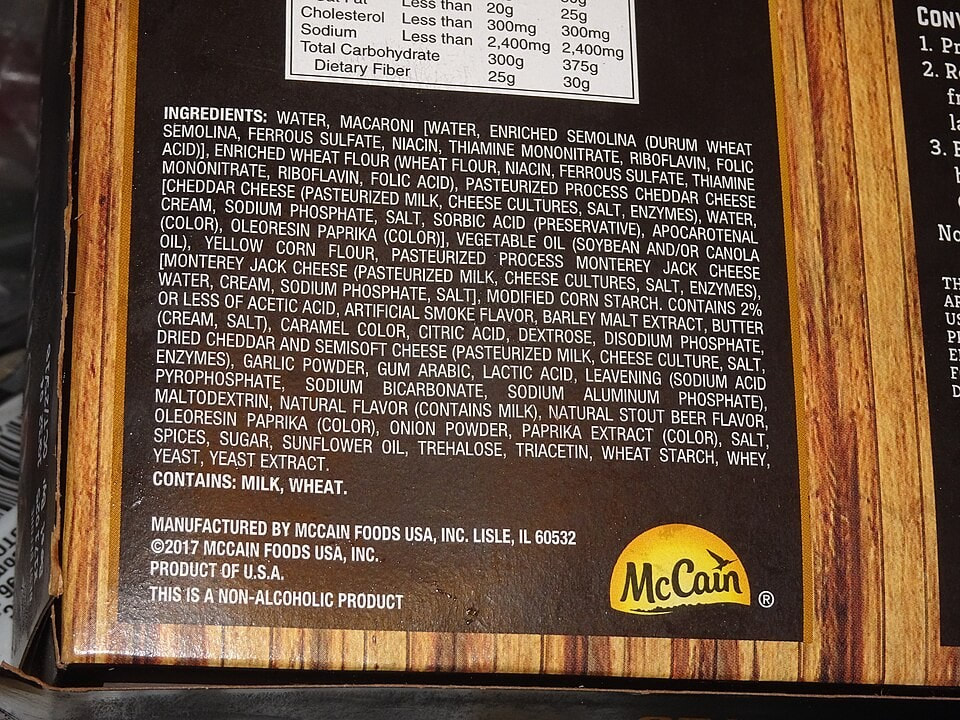 But how do unsafe additives enter our food supply? Historically, the U.S. Food and Drug Administration (FDA) has regulated the ingredients that can be used in foods sold in the U.S. Since 1958, the FDA has allowed chemicals (i.e., food additives) to be used in food if they are “generally recognized as safe”, or GRAS. Initially intended to allow common ingredients such as vinegar and baking soda to be used without prior FDA approval, this exemption was used by food industry to introduce hundreds of additives while the FDA had limited oversight and resources to confirm their safety. And, in 1997, the FDA proposed a rule to further allow industry to self-certify which foods qualify for GRAS. Through this loophole, industry introduces new additives to the food supply without the FDA reviewing their safety and without notifying the FDA or the public.
Fast-forward to 2025, and more than 10,000 food additives are allowed in the U.S. food supply. Although estimates suggest 3,000 of these substances were not reviewed by the FDA, it is impossible to know the exact number because the GRAS loophole allows food companies to introduce these substances without any notification. Regardless of the exact number, these counts far exceed the number in the European Union, where only 411 food additives are approved. As a result, U.S. consumers face far greater uncertainty about the safety of the processed foods they consume. In recent years, consumers and policymakers alike have become increasingly attentive to the ingredients used in the U.S. food supply. Currently, the media and political spotlight is on the potential health effects of consuming ultra-processed foods (UPFs), which contain many food additives. However, U.S. consumers may not fully understand the extent to which they consume chemicals introduced by food industry without FDA oversight. The GRAS loophole not only allows additives that may not have been sufficiently tested or reviewed for their safety; it also limits consumers’ ability to be fully informed about the foods they eat by allowing industry to avoid disclosing the use of new additives. Ongoing efforts to identify UPFs and require labels for food additives commonly found in UPFs could help improve consumer understanding and inform choice at the point of sale. However, these interventions are likely to be insufficient for helping consumers make informed, healthier food choices, as over 70% of the food supply is estimated to be UPFs. This means consumers have few options for limiting their consumption of food additives, even when properly informed. Instead, efforts are needed to improve the food supply itself and address the approval of additives. Recent proposals in New York, New Jersey, and Pennsylvania would require industry to disclose their use of GRAS substances, which would then be recorded in a public database. Such requirements could lead industry to reduce its use of the GRAS loophole and would, at minimum, improve transparency and provide consumers with additional information about the food they purchase. But these proposals would neither end industry self-approval of food additives nor ensure the review of previously approved substances. Federal policymakers have committed to closing the loophole, and, in 2025, the FDA announced that it would propose a new rule requiring industry to notify the FDA of GRAS submissions. This would ensure that, nationally, U.S. consumers know whether GRAS substances are present in the foods they purchase, and the FDA should enact this rule following public comment. In addition, to further improve the safety of the U.S. food supply, policymakers should overturn the rule allowing industry to self-certify foods that qualify as GRAS and should review substances previously approved via industry self-certification. Taking these steps will not only help consumers make informed and healthier choices but will also help ensure consumers are not unduly exposed to food additives that can negatively impact their health.
0 Comments
Your comment will be posted after it is approved.
Leave a Reply. |


 RSS Feed


©2017 WeighingInBlog. All rights reserved. 401 Park Drive, Boston, MA