
As stifling heat cloaks the country in the summer months, many city dwellers dream of countryside or ocean views, with lush greenery and open air. For those who cannot escape their concrete jungle, community gardens offer a welcome refuge for urbanites. Not only do leafy plants offer some shade in the summer heat, but community gardens are designed to nurture both mental and physical well-being, with proven benefits that go far beyond just a break from the heat. 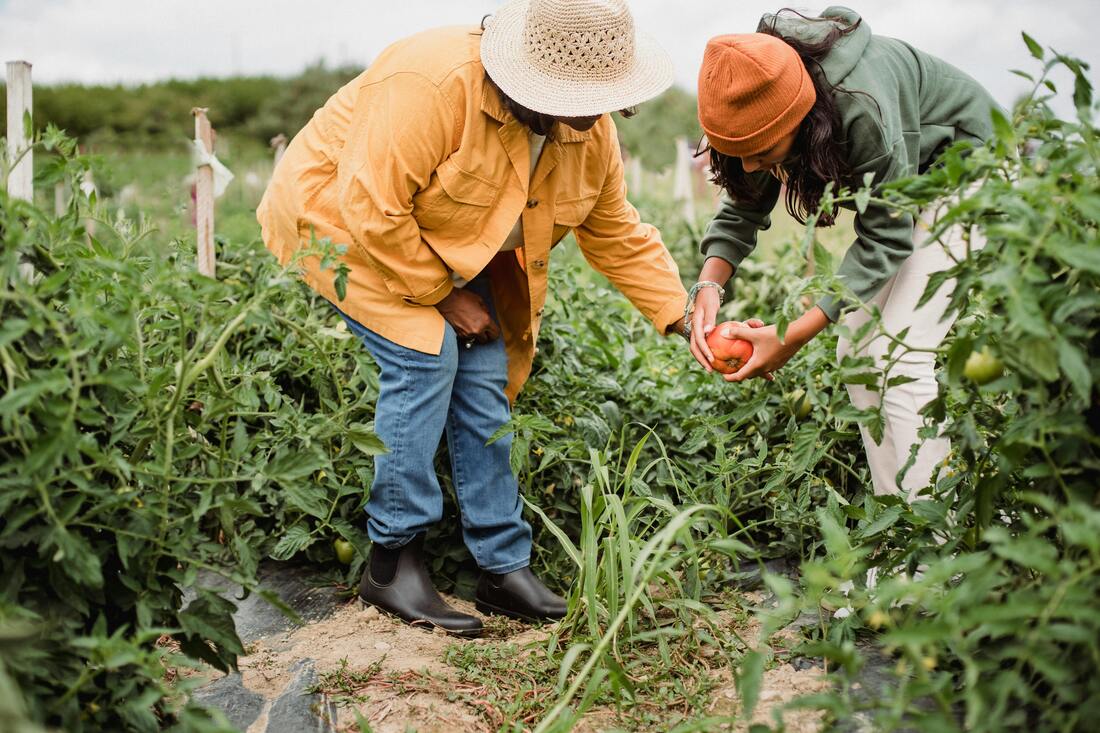 Research shows that community gardens are highly effective at improving overall health. Gardeners are typically more physically active than non-gardeners thanks to the moderately-intense activities involved, such as pulling weeds, carrying bags of soil, and carrying a watering can. The benefits go beyond just the physical too; spending even a few moments in nature is associated with decreased anxiety and depression, along with improved cognitive ability, including concentration and attention.
In addition to the individual-level impact of community gardens, the community-level benefits are also abundant. Studies in both the U.S. and abroad found that community gardeners report higher levels of neighborhood attachment, social cohesion, civic participation, and perceptions of neighborhood aesthetics compared to non-gardeners. Community gardens are also vital tools in reducing poor nutrition and food insecurity. One study evaluating the impact of a community garden on Hispanic farmworker families found dramatic improvements in their vegetable intake. Among adults, the percentage who consumed vegetables several times a day rose from 18.2% to 84.8%. In children, that number increased from 24% to 64%. The program also had a significant effect on food security. Before participation in the community garden, 31.2% of families reported worrying “sometimes” or “frequently” in the past month that food would run out before money was available to buy more. That rate dropped to 3.1% after families participated in the community garden program. Recognizing the benefits of community gardens, state and local governments have taken more action to support and expand these programs. For example, community gardens were developed in several cities in California, influencing the passing of legislation such as the Berkeley Food and Nutrition Policy, which supports small-scale sustainable agriculture, such as local farms or community gardens. The city of Escondido also initiated policy changes and approved the “Adopt-A-Lot” policy, which provides interim use of public and private property for community benefit. On the state level, California passed legislation in 2013 to create Urban Agricultural Incentive Zones. This bill allows cities and counties to contract with landowners to dedicate their properties to small-scale agricultural use in exchange for reduced property tax assessments. Similar laws were passed in Missouri and Louisiana, and fourteen other states passed urban agriculture legislation to support local food production. The health and social benefits of community gardens are truly plentiful. When governments leverage their financial resources to invest in programs that create and maintain community gardens, the return is as bountiful as the harvests they help produce. It leads to healthier communities, stronger neighborhoods, and more resilient local food networks.
0 Comments
Your comment will be posted after it is approved.
Leave a Reply. |



 RSS Feed


©2017 WeighingInBlog. All rights reserved. 401 Park Drive, Boston, MA