
 Sanika Chakkamadathil A plate of oysters or mussels might look like a healthy seafood choice but hidden inside could be dangerous levels of per- and polyfluoroalkyl substances (PFAS). Known as “forever chemicals,” these toxic substances are commonly used in nonstick cookware and fast-food wrapping papers, and are even present in waterways, food items, and the air. While the U.S. Environmental Protection Agency (EPA) only classifies a select few PFAS, such as PFOS and PFOA, as official hazardous substances, the entire chemical class poses a serious threat to public health and the environment. 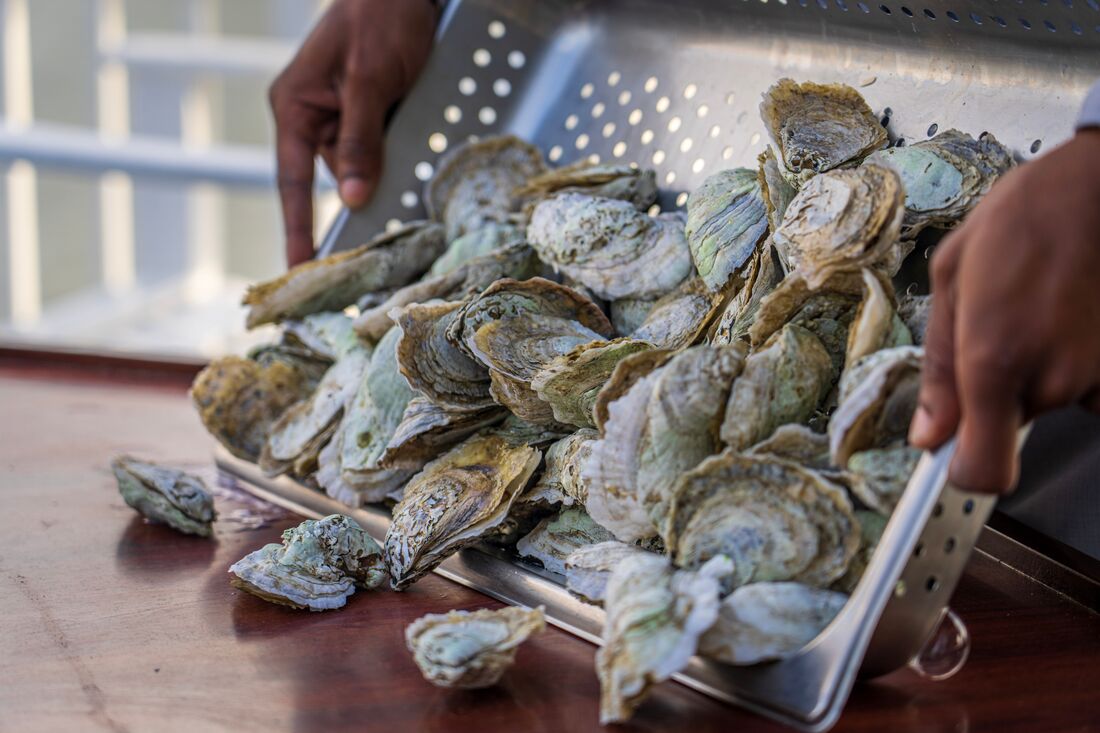 In 2024, the U.S. EPA passed legislation in the National Primary Drinking Water Regulation, regulating PFAS for the first time and creating a Maximum Contaminant Level (MCL) for six different types of PFAS in drinking water: PFOA, PFOS, PFHxS, PFNA, HFPO-DA (GenX chemicals), and PFBS mixtures. The EPA set enforceable drinking water limits of 4 parts per trillion (ppt) for PFOA and PFOS and required public water systems to comply by 2029. The EPA also required companies to disclose the amount of PFAS they were using and releasing, under the Toxic Substances Control Act. However, this policy was recently rewritten to only regulate two major PFAS chemicals, PFOA and PFOS, and extend the deadline for these companies from 2029 to 2031. Meanwhile, the European Union has already taken some legislative measures to begin reducing PFAS in its packaging. A single non-polymeric PFAS compound is limited to 25 ppb (parts per billion) and total PFAS (including polymeric) must be less than 50 ppm (parts per million). Currently, no legislation in the U.S has been passed to regulate the amount of PFAS in any other source of contact other than water. If no action is taken, more communities will become polluted and the attempt to reduce its presence will only become more laborious. An important next step in reducing PFAS exposure is regulating PFAS contamination in food. A recent study found PFOA concentrations as high as 62500 ng/kg in shellfish – including clams, mussels, scallops, whelks, and oysters – from China’s Bohai Sea. Compared to the other studies which had measured the levels of PFAS in seafood in regions in Africa, Europe, and the U.S, this was an extremely high concentration of one individual chemical. Research shows that the Bohai Sea is well known for oil refineries on the coast, resulting in high levels of pollution. Seafood, particularly shellfish, is often identified as a significant source of PFAS exposure because these organisms can accumulate contaminants from polluted aquatic environments. As filter feeders, shellfish absorb PFAS and other pollutants from their surroundings, potentially increasing human exposure through consumption. Reducing PFAS contamination of shellfish will require stronger measures to prevent industrial pollution, especially in waters used for seafood harvesting. Policymakers must prioritize monitoring and regulating PFAS contamination in seafood, particularly in shellfish harvested from contaminated waters. While federal drinking water regulations represent an important step toward reducing exposure, seafood remains an underregulated pathway for PFAS intake. Expanding PFAS regulations beyond drinking water and addressing contamination in the food supply are essential to protecting public health and reducing long-term exposure to these persistent chemicals. Author
Sanika Chakkamadathil is a junior at River Hill High School, working under the guidance of Dr. Pi-I Debby Lin. Her research is focused on how the government can reduce the presence of PFAS chemicals in the environment. More specifically, she is looking into the levels of PFAS in diet, the dangers of PFAS, and the communities who are at risk for PFAS exposure. In her free time, she likes to dance, bake, and spend time with her friends and would like to pursue a career in healthcare in the future.
0 Comments
Your comment will be posted after it is approved.
Leave a Reply. |


 RSS Feed


©2017 WeighingInBlog. All rights reserved. 401 Park Drive, Boston, MA